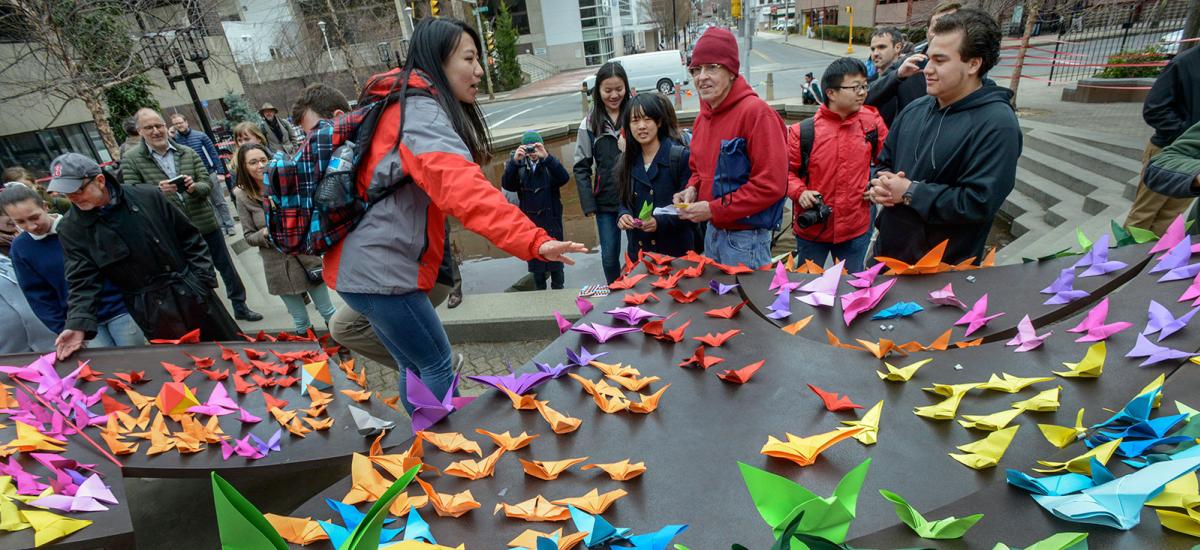
Sustainable development on the neighborhood scale is defined as the improvement of the quality of life in these environments, which involves environmental, cultural, social, and economic components without limiting the future generations’ facilities . The ultimate goal of neighborhood sustainable development is to establish a link between social and physical capital, because of which social processes are applied to enhance physical identity and structure, while building the capacity for future development. In other words, planning with people rather than for people is the key element in neighborhood development. As such, the development of urban spaces and neighborhoods in proportion to the needs of various social groups is considered a major task of urban planners and designers, which has unfortunately been overlooked so far.